
Discover Fun Hobbies That Boost Wellness and Connect You with Others
Older adults and the caregivers supporting them often share the same quiet challenge: days can shrink to routines focused on safety and logistics, while energy, mood, and social contact slowly slip. When technology feels complicated and time feels scarce, it’s easy to postpone anything “extra,” even when isolation and stress are growing. Accessible hobbies offer a practical way to reclaim momentum, with clear mental health benefits, gentle support for physical wellness, and a steady return to social connection. The right hobby can make well-being feel manageable again.
How Hobbies and Wellness Build on Each Other
When you choose a hobby, you are not just filling time. You are creating a positive loop where better mood makes it easier to show up again, and steady practice builds purpose through small wins. Over time, shared progress with others turns into real social bonding, which supports wellness in a way you can actually feel.
This matters because stress and isolation can quietly raise health risks. A hobby adds structure to the week and can lift mood, with higher levels of happiness reported among adults 65+ who have one. That steadier mindset also helps families plan for safety needs, including emergency alert support, without feeling overwhelmed.
Think of a hobby like a simple savings plan for well-being. One short class or practice session is a small deposit, and the payoff grows as confidence and friendships build. When you can say, “I improved,” it becomes easier to say, “I can handle today.”
6 Easy-to-Start Hobbies You Can Learn Solo or With Friends
The best hobby is the one you’ll actually do, often the simplest option with a low cost, a clear start point, and a built-in way to feel progress. Use this menu to pick one that fits your energy, mobility, and budget while still supporting mood, purpose, and connection.
- Start with “micro-lessons” on online learning platforms: Choose a short course (10–20 minutes) and schedule it right after a daily cue like breakfast. Online learning platforms work well when transportation is hard or caregiving schedules change, and you can pause anytime. Keep costs predictable by using free trials, library access, or one low monthly subscription instead of buying lots of supplies.
- Try group hobby activities through your community’s senior resources: Look for bulletin boards at libraries, community centers, and faith groups to find low-cost classes designed for older adults. Group settings boost follow-through because you’re expected, not just “motivated.” For caregivers, it’s also a practical way to add supervised social time to the week.
- Join painting classes for seniors with a “set-and-store” supply kit: Pick one beginner class and limit your supplies to a small tote: basic paints, brushes, paper/canvas pad, and a cup for water. This keeps the hobby affordable and reduces friction, no hunting for materials each time. If hand strength is a concern, ask about larger grip brushes or seated options.
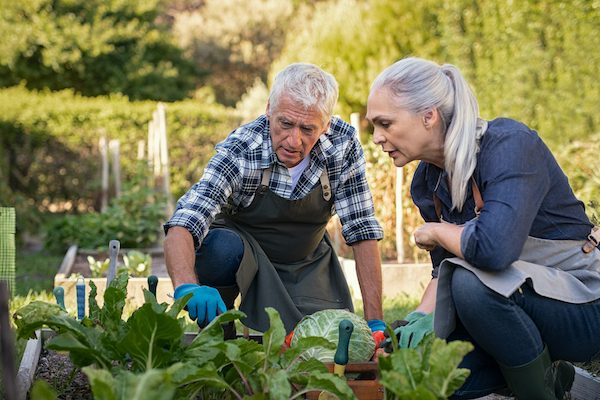
- Choose gardening for mental wellness, container style if needed: Begin with two containers (herbs or easy flowers) so watering and bending stay manageable. Build a simple routine: check soil moisture every other day and do one 10-minute task (watering, pruning, harvesting). This hobby pairs purpose with calm, and research on gardening activities has linked classes to lower stress, anxiety, and depression.
5. Pick yoga for older adults with safety-first modifications: Look for “gentle,” “chair,” or “beginner” yoga, and start with two sessions per week for 15–30 minutes. Use a stable chair near a wall for balance, and skip any pose that causes sharp pain or dizziness. If you have a LifeFone medical alert device, wear it during sessions so you can focus on movement instead of worrying about what-ifs.
6. Add an easy “social plus movement” hobby like walking or bird-watching: Choose a safe route and a consistent meet-up time, even if it’s only 20 minutes. For instance, many bird-watching groups welcome beginners and give you something to talk about besides health or appointments. This is a low-cost way to combine fresh air, gentle activity, and real connection.
A good rule of thumb is to pick one “at-home” hobby and one “out-of-home” hobby, then keep the time and spending limits simple. Small, repeatable choices make it much easier to build a weekly rhythm you can maintain.
Habits That Turn Hobbies Into Lasting Wellness
Try these simple practices to stay consistent.
Small routines make hobbies feel safer and more doable, especially when caregiving or health needs can interrupt plans. These habits also help you build confidence with check-ins, support networks, and reliable emergency readiness so you can enjoy connection over time.
Two-Minute Hobby Cue
- What it is: Start with two minutes right after a daily cue like breakfast.
- How often: Daily
- Why it helps: Low effort builds momentum and reduces skipped days.
Weekly Social Slot
- What it is: Put one hobby meetup or call on your calendar like an appointment.
- How often: Weekly
- Why it helps: Consistent social engagement strengthens follow-through and mood.
Safety Check Before You Go
- What it is: Confirm device charged, contacts updated, and fall risks reduced.
- How often: Before each outing
- Why it helps: You feel freer to participate without constant worry, especially when you have a reliable LifeFone personal emergency response system in place.
Mindful Start and Stop
- What it is: Do three slow breaths, then end by noting one win.
- How often: Each session
- Why it helps: Supports mindfulness practice and keeps progress visible.
Progress and Recovery Log
- What it is: Track time, joy level, and soreness using a simple note.
- How often: After sessions
- Why it helps: Guides pacing and supports safe physical activity benefits.
Buddy System Check-In
- What it is: Share your plan with a friend and set an arrival text.
- How often: Per outing
- Why it helps: Adds accountability and aligns with common social connection practices.
Pick one habit this week, then adjust it to fit your household rhythm.
Common Questions About Hobbies, Wellness, and Support
If worries and what-ifs show up, these answers can steady your plan.
Q: What are some fun and accessible hobbies that can help reduce stress and improve mental well-being?
A: Start with low-pressure options like watercolor-by-number, beginner gardening in containers, chair yoga, jigsaw puzzles, or birdwatching with a simple checklist. Keep goals tiny, such as 10 minutes, so you finish feeling capable instead of behind.
Q: How can learning new skills in a social setting enhance both personal growth and social connections?
A: A class or club adds gentle accountability and regular conversation, which can calm uncertainty and help you keep showing up. Choose settings with clear beginner lanes, printed instructions, and an option to observe before participating. For peace of mind, pick accessible locations and keep your emergency contacts current before you go.
Q: What types of hobbies are suitable for older adults and caregivers looking for meaningful ways to regain a sense of purpose?
A: Purpose often returns through roles, so consider mentoring, volunteering skills like mending or budgeting help, or joining a choir, book circle, or community garden team. If time is tight, pick “modular” hobbies you can pause, such as letter writing, family-photo organizing, or learning simple recipes. Aim for one repeatable contribution each week so progress stays visible.
Q: In what ways can starting creative or fitness-related hobbies contribute to overall wellness and physical health?
A: Creative hobbies can lower stress by giving your mind a focused task, while gentle movement hobbies support balance, stamina, and confidence. Right-size intensity by using supports, choosing seated variations, and logging any soreness so you can adjust early. Even short sessions can build momentum, and hobbies are associated with higher levels of happiness for many older adults.
Q: What options are available for someone feeling stuck or uncertain who wants to start learning tech skills but needs structured guidance online?
A: Look for beginner-friendly courses with a weekly schedule, practice quizzes, captions, and a clear “start here” pathway so you do not have to guess what comes next. Vet credibility by checking instructor qualifications, syllabus details, and whether lessons include hands-on projects and discussion support.
Turn One Hobby Into Weekly Wellbeing and Stronger Connections
When health needs, limited time, or mobility concerns pile up, hobbies can feel like one more thing to manage instead of a support. The steadier approach is to choose practical life enrichment activities that fit current limits, use trusted guidance, and treat them like small, budget-friendly commitments that build momentum rather than pressure. With consistency, personal growth through hobbies shows up as well-being improvement, social interaction benefits, and ongoing learning motivation that lasts past the first week. Pick one hobby, schedule it, and let small sessions compound into better days. Choose one activity today and set a simple 7-day starter plan by booking the first short session and noting how it affects mood, energy, and connection. That modest routine strengthens resilience and supports healthier, more connected living over time.
FREE BROCHURE Today!